
When most South Africans think about setting up a trust, the conversation quickly turns to tax savings, asset protection, and estate duty planning. What receives far less attention, and deserves far more, is the document that makes the trust legally possible in the first place: the trust deed.

A trust deed is not a formality. It is the founding document of the entire structure. It defines who the trust is for, what it can do, how it must be run, and what happens when things change. A trust that is backed by a poorly drafted deed is a trust that is vulnerable to SARS scrutiny, to trustee disputes, to court challenges, and to outcomes that are the exact opposite of what the founder intended.
This guide explains what a trust deed is, what it must contain to be legally sound, and what the most common drafting mistakes look like in practice.
What Is a Trust Deed?
A trust deed, also referred to as a deed of trust, is the written agreement that establishes an inter vivos trust in South Africa. It is the contract between the founder of the trust and the trustees, setting out the terms under which the trustees will hold and administer the trust assets for the benefit of the beneficiaries.
In South Africa, trusts are governed by the Trust Property Control Act 57 of 1988. This Act requires that every inter vivos trust be established by means of a written trust deed, and that the deed be lodged with the Master of the High Court for registration. Without a registered trust deed, the trust has no legal existence.
The trust deed serves three broad functions. It creates the trust as a legal entity. It defines the powers and obligations of the trustees. And it protects the beneficiaries by setting out exactly what the trustees can and cannot do with the trust assets.
Who Are the Parties to a Trust Deed?
Every trust deed involves three roles, and understanding the distinction between them is essential before examining what the deed must contain.
The founder is the person who establishes the trust and donates the initial trust property. In most inter vivos trusts, the founder transfers assets to the trust during their lifetime. The founder’s role is primarily relevant at the establishment of the trust, though the deed may give the founder certain reserved powers.
The trustees are the persons appointed to hold and administer the trust assets. They are not the owners of the assets. They hold the assets in a fiduciary capacity, meaning they must act in the best interests of the beneficiaries at all times. The Trust Property Control Act requires that every trust have at least one independent trustee, someone who is not connected to the founder or the beneficiaries.
The beneficiaries are the persons for whose benefit the trust is established. They may be named individuals, a class of persons such as the founder’s descendants, or a combination of both. Beneficiaries may have a vested right to trust income or capital, or they may be discretionary beneficiaries whose entitlement depends on a trustee decision.
What Must a Trust Deed Contain?
While the Trust Property Control Act does not prescribe a rigid format for a trust deed, there are certain provisions that every properly drafted deed must include.
The absence of any of these creates legal risk for the trust and everyone connected to it.
1. Identification of the Parties
The deed must clearly identify the founder, the initial trustees, and the beneficiaries. Where beneficiaries are identified as a class rather than by name, for example “the founder’s descendants”, the class must be defined with sufficient clarity to avoid ambiguity when the time comes to distribute.
2. The Name of the Trust
Every trust must have a name under which it is registered with the Master of the High Court.
The name appears on all trust documents, bank accounts, and correspondence and is the name under which the trust conducts its affairs.
3. The Objects of the Trust
The deed must set out the purpose for which the trust has been established. This may include asset protection, providing for minor children, reducing estate duty, ensuring business continuity, or any combination of legitimate purposes.
The objects clause gives the trustees a framework within which to exercise their discretion and provides the Master of the High Court with a basis for evaluating the trust’s legitimacy.
4. The Powers of the Trustees
This is one of the most important sections of any trust deed. The trustees can only do what the deed authorises them to do. A deed that grants trustees insufficient powers will hamstring the administration of the trust, preventing trustees from investing, borrowing, selling assets, or entering into contracts without returning to court for authorisation.
A well-drafted trust deed should give trustees the power to acquire and dispose of assets, invest trust funds, borrow money and encumber trust assets, enter into contracts on behalf of the trust, and distribute income and capital to beneficiaries in accordance with the deed. At the same time, certain powers may be restricted, for example requiring unanimous trustee consent for major decisions, and those restrictions must be clearly set out.
5. The Duties of the Trustees
Beyond powers, the deed must address the trustees’ obligations. This includes the duty to act in the best interests of the beneficiaries, to keep proper accounting records, to hold trustee meetings and record minutes, to keep trust assets separate from personal assets, and to act with the care and diligence of a reasonably prudent person.
These duties are not merely administrative. SARS and the courts pay close attention to whether a trust is being administered as a genuine independent entity, and a deed that does not set out trustee duties clearly makes it harder to demonstrate that the trust is legitimate when challenged.
6. Trustee Appointment, Removal, and Succession
The deed must address what happens when a trustee dies, resigns, becomes incapacitated, or is removed. A trust that has no mechanism for replacing trustees can become paralysed, unable to act because the required number of trustees is no longer in place.
The deed should specify the minimum and maximum number of trustees, who has the power to appoint new trustees, and under what circumstances a trustee may be removed. It should also address whether the remaining trustees can continue to act if one trustee’s position becomes vacant, or whether a replacement must be appointed before any decisions can be made.
7. Distribution of Income and Capital
The deed must set out how and when income and capital can be distributed to beneficiaries. In a discretionary trust, the most common structure in South African estate planning, the trustees have discretion over the timing and amount of distributions. The deed should define the scope of that discretion and identify which beneficiaries may benefit from income, which from capital, and which from both.
8. Termination of the Trust
Every trust deed must address when and how the trust comes to an end. This may be on a specified date, on the occurrence of a specified event such as the youngest beneficiary reaching a certain age, or at the discretion of the trustees once the trust’s objects have been achieved. The deed must also specify how the remaining trust assets are to be distributed when the trust terminates.
Common Drafting Mistakes to Avoid
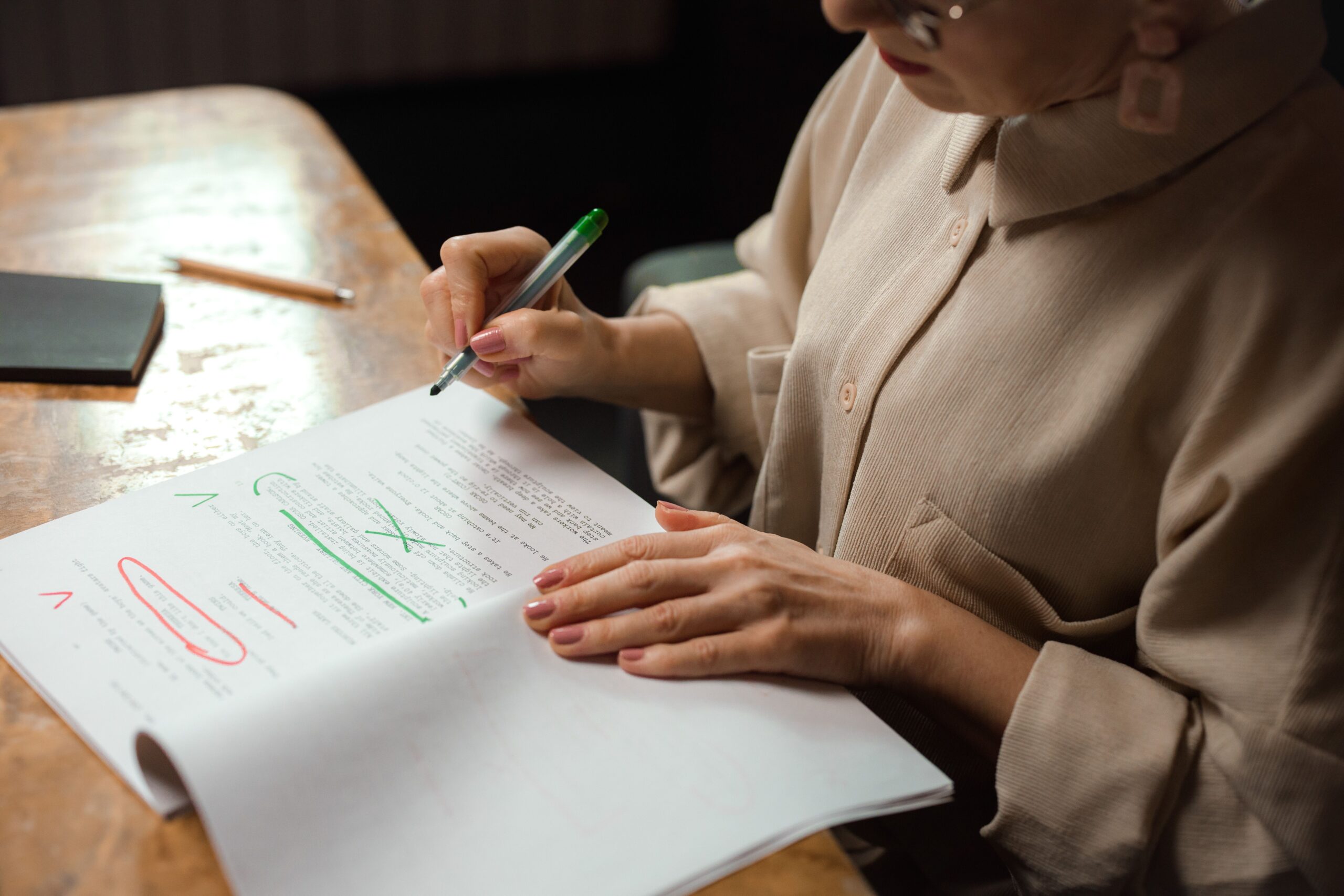
Trustee powers that are too narrow.
A deed that does not give trustees sufficient powers to manage assets practically will require constant court intervention. Powers should be broad enough to accommodate the full range of decisions the trustees are likely to face.
Beneficiary classes that are too vague.
Describing beneficiaries as “the founder’s family” without further definition creates uncertainty about who is entitled to benefit and opens the door to disputes.
No independent trustee provision.
SARS scrutinises trusts where the founder retains excessive control. A deed that does not require at least one independent trustee, or that allows the founder to be the sole trustee, invites challenge.
No amendment clause.
Circumstances change. A trust deed should include a provision allowing for amendment, specifying who has the power to amend and what process must be followed. A deed with no amendment clause can leave trustees unable to adapt the trust to changed circumstances without a court application.
Copying a template without tailoring it.
Generic trust deeds downloaded from the internet or copied from another trust frequently contain provisions that are inappropriate for the specific trust’s circumstances, create internal contradictions, or fail to reflect the founder’s actual intentions.
The Foundation Everything Else Is Built On
A trust deed is not a formality signed once and filed away. It is the founding document that governs everything your trust can and cannot do, and its wording directly shapes the tax treatment, asset protection, and control your trust delivers over its lifetime.
Executor Law drafts trust deeds for clients across South Africa, ensuring that every deed is properly constituted, correctly registered, and tailored to the founder’s intentions and circumstances.
As an incorporated firm of attorneys, we are not tax practitioners, but we work closely with registered tax practitioners so that founders and trustees receive the legal and tax guidance their matter requires.
Frequently Asked Questions
Can a trust deed be amended after registration?
Yes, provided the deed contains an amendment clause and the required parties consent to the amendment. Amendments must be lodged with the Master of the High Court. If the deed contains no amendment clause, a court application may be required, which is costly and time-consuming.
Does a trust deed need to be notarially executed?
An inter vivos trust deed does not need to be notarially executed to be valid. It must be in writing and signed by the founder and trustees. However, some attorneys recommend notarial execution for additional evidentiary weight.
Can the founder also be a trustee and beneficiary of the same trust?
Yes, South African law permits this. However, a founder who is the sole trustee and sole beneficiary of their own trust creates significant legal and tax risk. SARS is likely to disregard such a structure, and the courts have done so in a number of cases. At minimum, at least one independent trustee must be involved.
How long does it take to register a trust with the Master of the High Court?
Registration timelines vary between Master’s offices. In Johannesburg, registration typically takes between four and eight weeks from the date of lodgement, provided all documents are correctly submitted.